I Didn't Know Real Estate Was THIS Serious
Hello all you beautiful people! I've recently completed a new piece of media that I thoroughly enjoyed, and as such I shall now subject you to the torture that is listening to me idly ramble about what I felt about it. Today, the subject of discussion is the 2015 title Yakuza 0, the sixth-released mainline Like a Dragon game and prequel to the entire series.
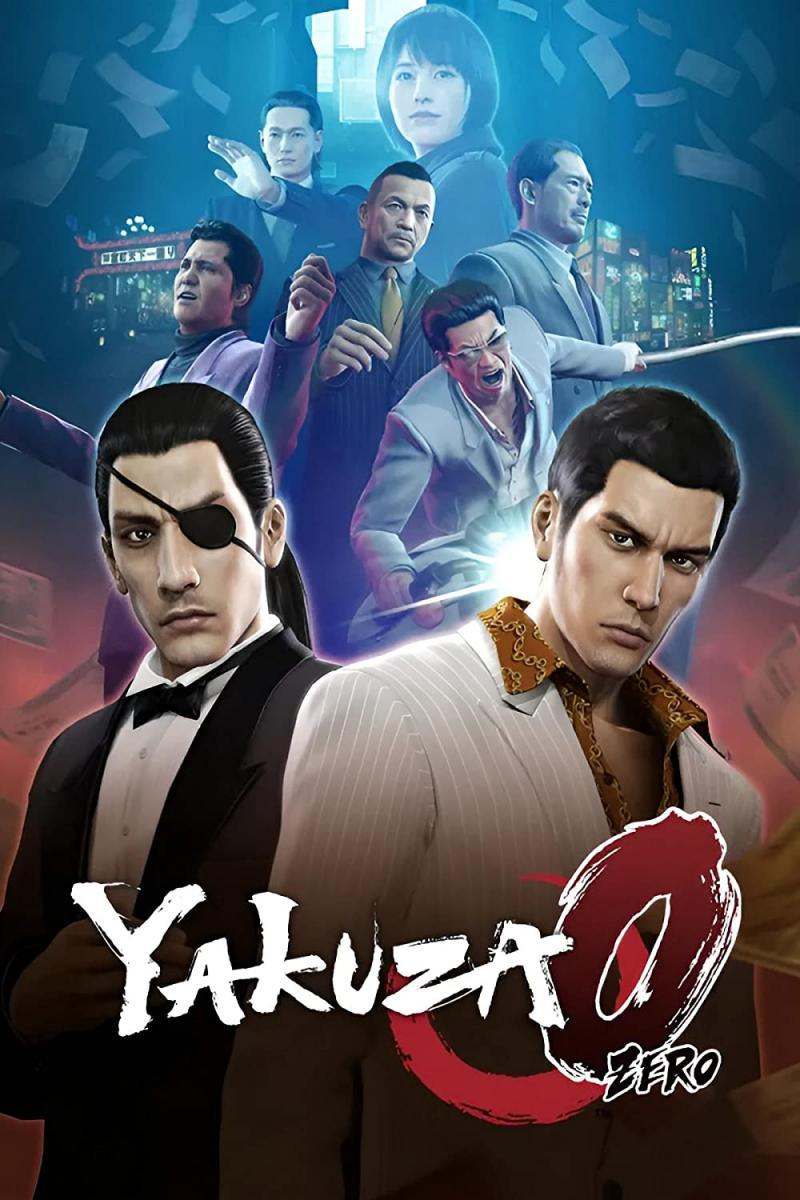
I've been familiar with the Like a Dragon series for a while, I have played a decent amount of the games, though not all the way through. Now that I'm in my newfound era of actually finishing the media I start, I decided I might as well revisit the series with the eyes of an adult and try to see them through to the end. And, at least with Yakuza 0, I'm extremely glad I did.
Before you read the rest of this post - if you are at all interested in the Like a Dragon series and looking for a way to get into it, I think that Yakuza 0 is an extremely strong jumping-on point for the series. The narrative is engaging from the start and never at any point lost me, the characters are extremely fun to see on screen, the combat system is extremely engaging with its stance-switching, and this game has perhaps the most addictive side-mode in the entire series. If you want to dip your toes into the Like a Dragon series to know if it's for you, Yakuza 0 puts many of the best aspects of the series front and center. As a prequel I believe that there are a few things in the game that benefit from some cursory series knowledge, but the game overall does a good job giving you the information you need to make sense of the game's tangled (in a good way) web of a narrative.
In my usual fashion, I figure I'll just discuss my thoughts on anything about the game that I think is particularly interesting. I wouldn't consider what you're about to read a review, recap, or massively comprehensive retrospective. It's just a collection of observations about the game that I'll try to structure as best as I can. I should also mention that I am playing the original 2015 version of the game via the GoG release within the Yakuza Complete Series bundle. I am aware that there is a fancy, new "remastered" edition of the game (new relative to when I am writing this, July 2026), but I'm not playing it. I also hear that the remaster includes some new cutscenes that retcon some pretty emotionally significant moments in the game for the worse.
Also, as a heads up. I would go and buy that bundle on GoG sooner rather than later. It might be the only way you can get the original versions of Yakuza 0 and Yakuza 3 anymore, and I'm not sure how long it will take for SEGA to take them down from this storefront. Digital ownership practices are changing rapidly, and it would probably be better to get your hands on these and put them on a safe external hard drive just in case, if you care of ever playing the definitive version of several of these games.
Story - All This For Some Dirt?
I figure I'll start by talking about the game's strongest aspect, in my opinion: the characters and the narrative they find themselves in. I'll try to keep my thoughts on story specifics light; I think deep and detailed story analysis is much better saved for one-on-one conversation than whatever the format of my blog is. There will be some early-game spoilers, though that's mostly just to explain the premise of the story more than anything else, and the big shocking twists and reveals will not be addressed.
I think the Like a Dragon series, especially recently, has earned a reputation of being a rather "silly" game. I feel like a lot of its popular presence on line gets boiled down to the weird substories and less-than-dramatic side content. For every person genuinely discussing these games from a narrative perspective, you have two or three people who really only know it for the karaoke and the out of context clips of Goro Majima doing something strange. The absurdist elements of the series do inform its overall quality, don't get me wrong, but most of these games have genuinely solid crime drama narratives that are competent entries in the genre by their own merit. Yakuza 0 has a story that stands out to me as exceptionally strong by series standards for several reasons.
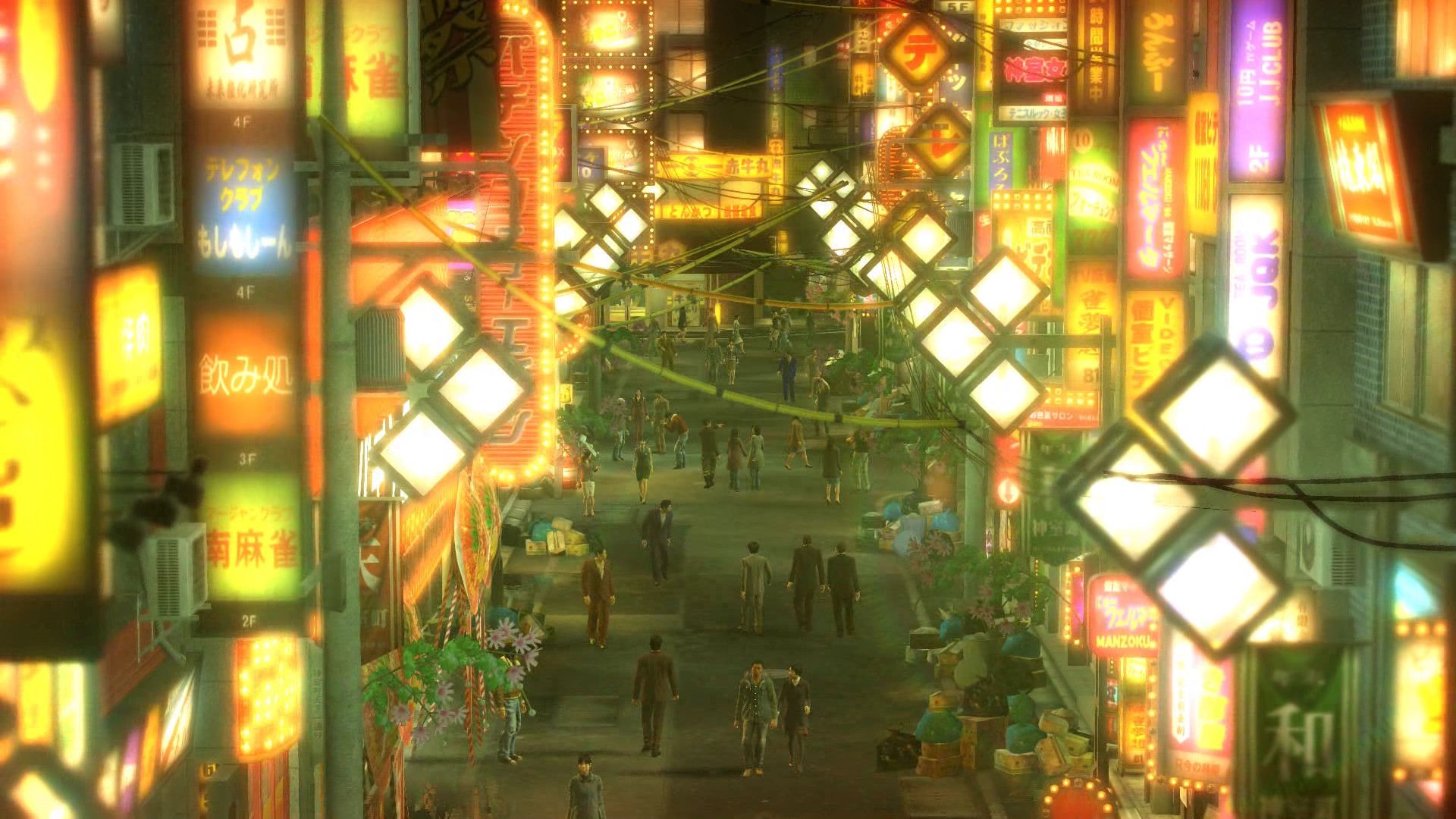
In December of 1988, Yakuza debt-collector Kazuma Kiryu finds himself at the center of a conspiracy that will shake the Tojo yakuza clan to its core. Kiryu is framed for a murder, a mark he just roughed up for missing loan payments has turned up dead in an empty lot in the middle of Shinjuku. The Dojima family, Kiryu's family and subsidiary of the Tojo clan, is in the middle of a massive real estate revitalization project in Kamurcho (a fictionalized version of the Kabukicho neighborhood of Shinjuku). The aim is to acquire a bunch of contiguous land within the neighborhood piecemeal, by any means necessary, and sell it all in one lump sum to whichever real estate investor will pay the highest dollar. The problem? An empty dirt lot lies in the middle of the Dojima family's land, the same empty dirt lot that Kiryu's mark was found dead in. The lot has no known owner, and the Dojima family are doing everything in their power to find the owner, acquire the land, and complete the real estate deal. The amount of money and power riding on this project would be enough to send the Dojima family soaring through the ranks within the Tojo clan, upsetting the entire clan's balance. After being kicked out of the family, Kiryu must work with a real estate firm, Tachibana Real Estate, to find the owner of the empty lot and clear his name.

Meanwhile, in Osaka, ex-yakuza Goro Majima is working as a manager for a cabaret as punishment for an assassination-gone-wrong while he worked under the Shimano family, another subsidiary of the Tojo clan. Majima's punishment was being led by Tsukasa Sagawa, sworn oath-brother to the Shimano family's patriarch and high-ranking member of the Omi Alliance, the Tojo clan's largest rival. One day, Sagawa approaches Majima with a proposition given by the Shimano family patriarch: kill someone by the name of Makoto Makimura to be reinstated as a member of the Shimano family. Majima traces Makoto Makimura's identity to a massage parlor within Sotenbori (a fictionalized version of Osaka's Dotonbori neighborhood). Makoto Makimura, a Chinese immigrant working as an acupuncturist and masseur, turns out to be a highly skilled assassin. After a fight between Majima and Makimura breaks out within the massage parlor, a group of thugs appear and attempt to kidnap Makimura's assistant: a young woman suffering from post-traumatic psychogenic blindness.
These two plot threads run parallel for most of the game's runtime, bouncing back and forth between protagonists every two chapters until the climactic finale. Things never unfold as simply as they seem like they should, though, and plenty of dramatic twists and reveals drag our protagonists emotionally, and often physically, through the wringer. The plot is consistently engaging, and from the moment I saw the setup from both protagonists' sides, I knew I had to see it through to the end. Occasionally the pacing does slow, often when new gameplay mechanics are to be introduced, but these interruptions are never long enough to meaningfully damage the narrative. If you're just going through the main story, it's the equivalent of a weird little filler episode every now and then rather than getting big giant arcs of unwanted fluff. I recognize the game has to show the player its features somehow, and these moments do not bring my overall enjoyment of the game's story down.
Characters - Old Friends, New Friends, and Even a Mad Dog
A great story can only be so good without compelling characters, but luckily this game has those in spades.
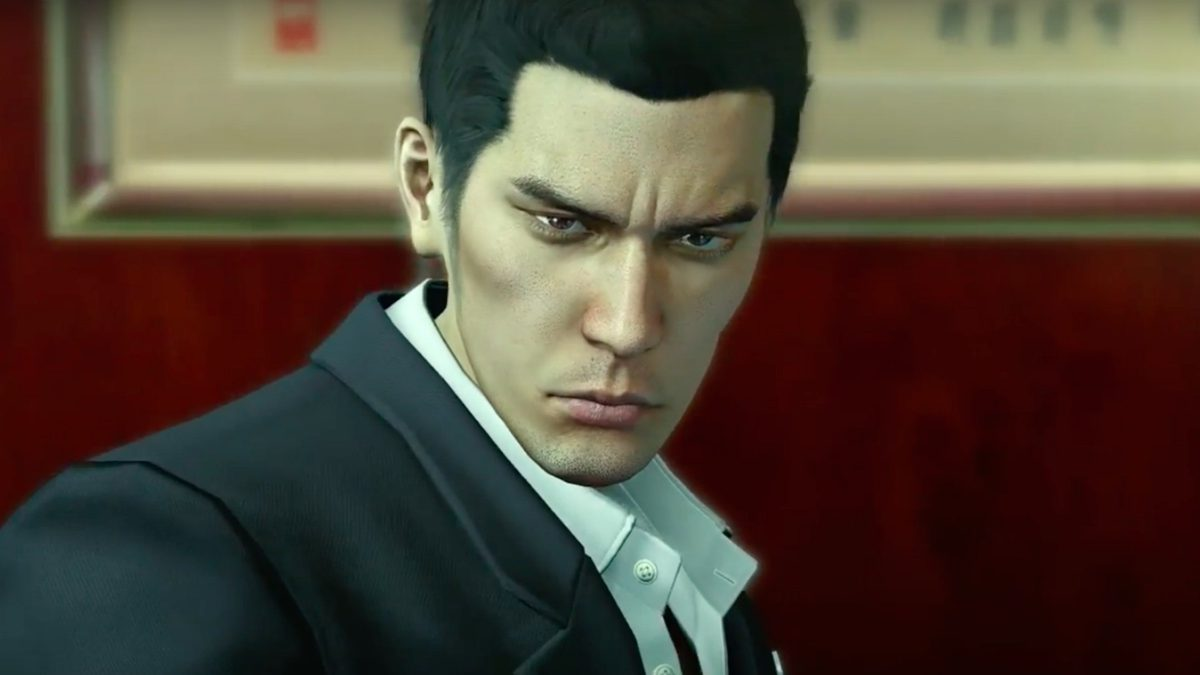
Longtime series protagonist Kazuma Kiryu is still identifiably himself, still young in his career as a member of the Tojo clan. His stoic demeanor might lead you to believe that he is cold and unfeeling at first glance, but that couldn't be further from the truth. Kiryu is a dreamer, first and foremost, who lives his life through a lens of pragmatic optimism. His strong sense of justice and honor perhaps put him into more danger than he needs to be in, but to him a true man is one who carves out his own way in the world; he wouldn't have it any other way. There are plenty of softer moments, especially in the game's substories, where we get to see a very warm and kind side to Kiryu. He's a man who is willing to do everything once, and will respect anyone as long as they respect him.
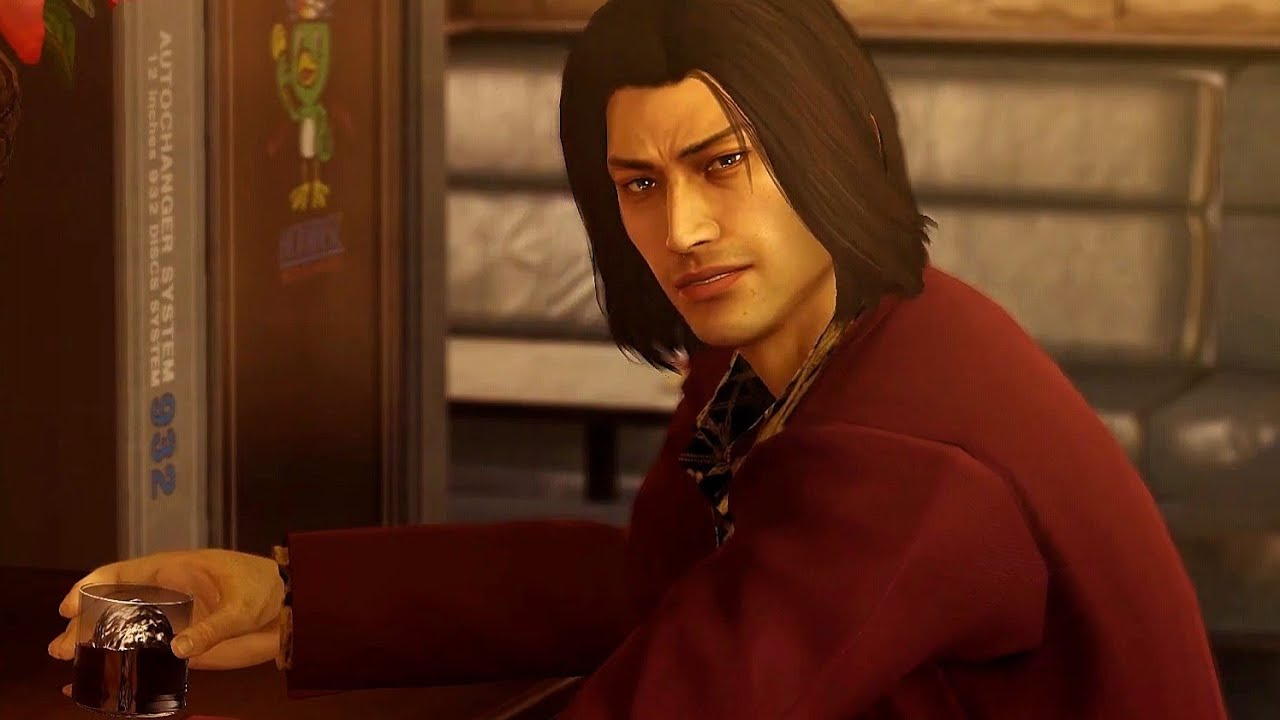
This game also gives us a lot of time to interact with a young Akira Nishikiyama, a name those who have played Yakuza or Yakuza Kiwami are bound to be familiar with. Nishiki, as portrayed in this game, is about as true of a friend as Kiryu could have. Though Kiryu and Nishiki don't see eye-to-eye in every scenario, their brotherhood is a compelling and important emotional force that guides Kiryu through his half of this game. There is more that I could say about Nishiki, but a more complete conversation about him would be better suited for after replaying Yakuza Kiwami with a fresh set of eyes.
The two members of Tachibana Real Estate that Kiryu works closely with, founter Tetsu Tachibana and employee Jun Oda, are excellent additional supporting cast members for Kiryu's side of the story. Tachibana serves as this enigmatic guiding force for Kiryu's mission in investigating the empty lot. A mysterious and powerful figure, Tachibana's involvement in the conspiracy only becomes more confusing as the game goes on until the moment everything fits into place. Jun Oda serves as another buddy for Kiryu, contrasting Kiryu's stoicism with casual coolness. Oda's casual banter with Kiryu is often a nice break between serious story beats, and you can feel a friendly (though perhaps just as an ally and coworker) relationship between him and Kiryu form. Oda is not just some pencil-pushing office-worker though, and he displays his capacity for violence in a few exciting set-pieces.
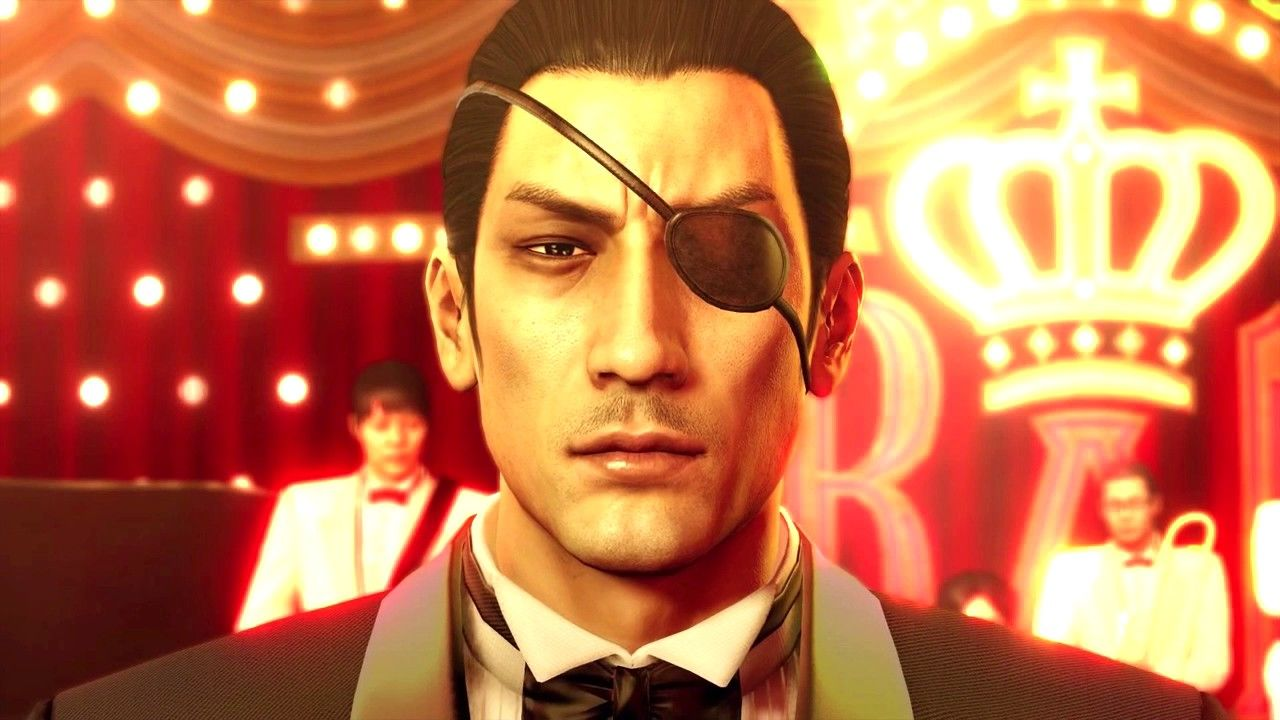
The Goro Majima seen in this game is in many ways similar to the Majima we see in the rest of the series, but is also quite different. This game takes place before Majima adopts his eccentric "Mad Dog" persona he becomes known for in the rest of the series. Instead, in this title the crazy is replaced with class. Majima's natural charisma and sharp business sense have led to him being known as the king of Osaka's night life, as manager of the Grand cabaret. Majima is much quicker to show his emotions than Kiryu, and his half of the game is driven by internal turmoil and growth more than it is outside forces. One thing that stands out to me especially is his respect for the women who work in the sex and entertainment industries of Japan. In a genre where women are often granted to characters as rewards for their deeds, it is refreshing to see someone who puts the safety and comfort of women he is interacting with as top priority. Not because they are some special precious object to be protected and idolized, but because he's seen the dark side of the line of work he manages women in and doesn't want it to harm innocent folks.
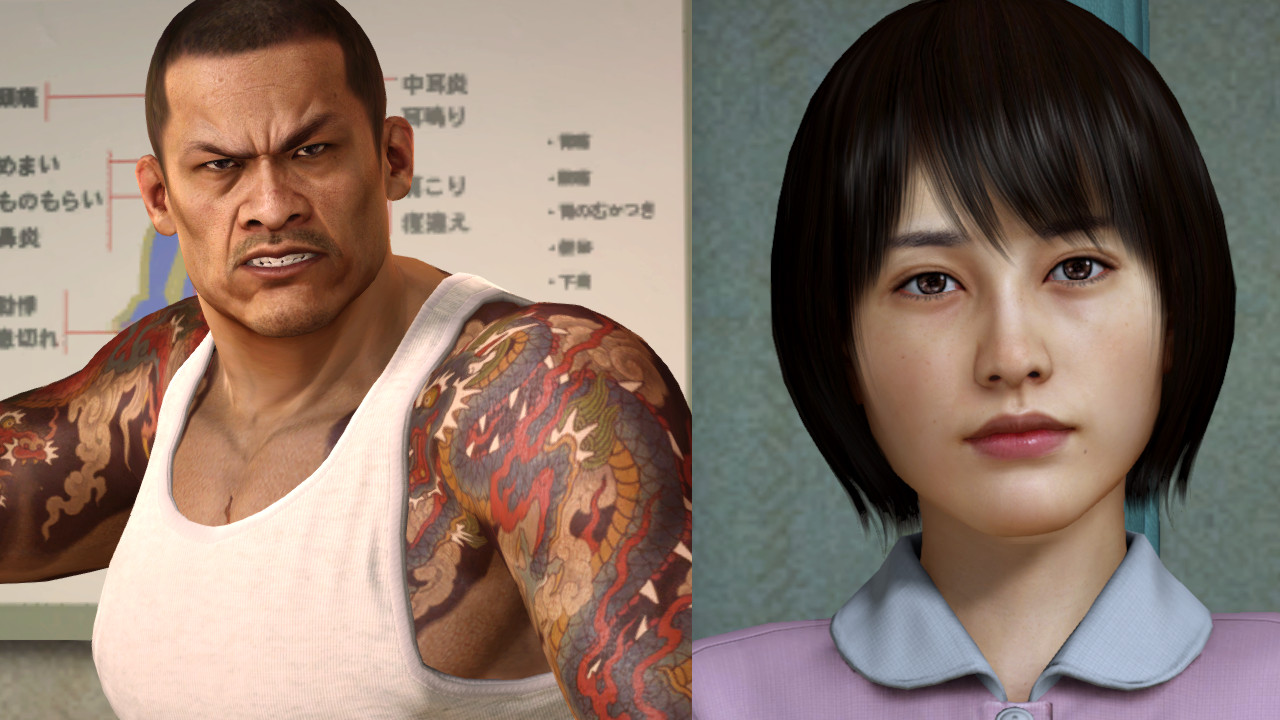
There's a lot that I want to say about Makoto Makimura and his blind assistant, but it's really hard to without letting some major spoilers leak. I will say this, the relationship between these two, and these individuals' relationship with Majima, are wonderful. It's one of the things I'd urge you to actively pick up the game to experience, it's wonderful.
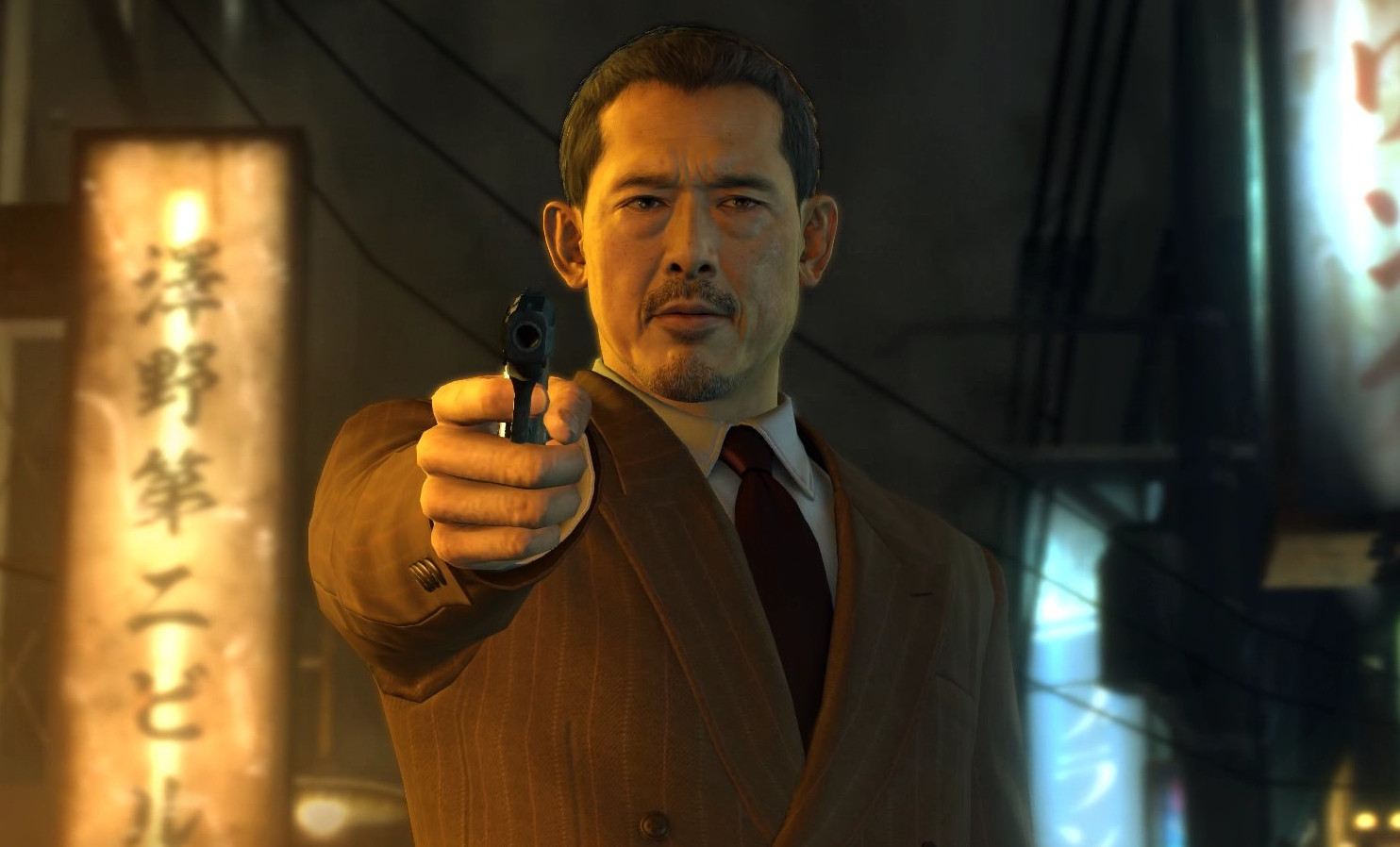
Tsukasa Sagawa plays the role of Majima's boss, overseeing Majima's exile within Osaka, as well as the driving antagonist in Majima's side of the story. I hate this man so much, and I hate how much I loved him by the time the credits rolled on this game. Sagawa is nonchalant and levelheaded in every situation, even when things go as bad as they possibly could have gone, and it's intimidating. He's a highly intelligent, scheming, conniving monster that has no limits to what he's willing to do to get a job done, and I love him for it. Majima's life, throughout the entire game, is dangling by a thread that Sagawa can snip at any moment if he so chooses. Sagawa's sarcasm and witty demeanor make it almost impossible to know what he's actually thinking at any moment. It's terrifying, you get the sense that there's no end to the harm he will inflict on Majima if this mission goes sideways, but I still found myself getting excited when he was on screen. He's just that fun of an antagonist.
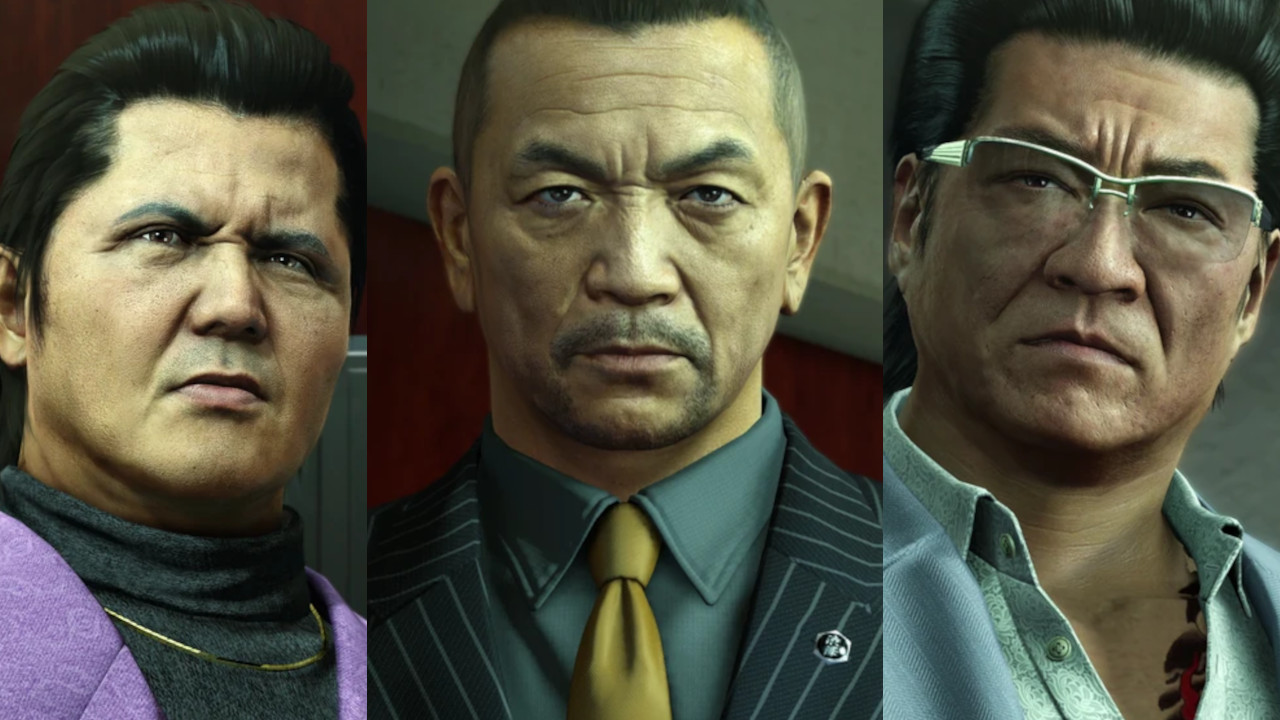
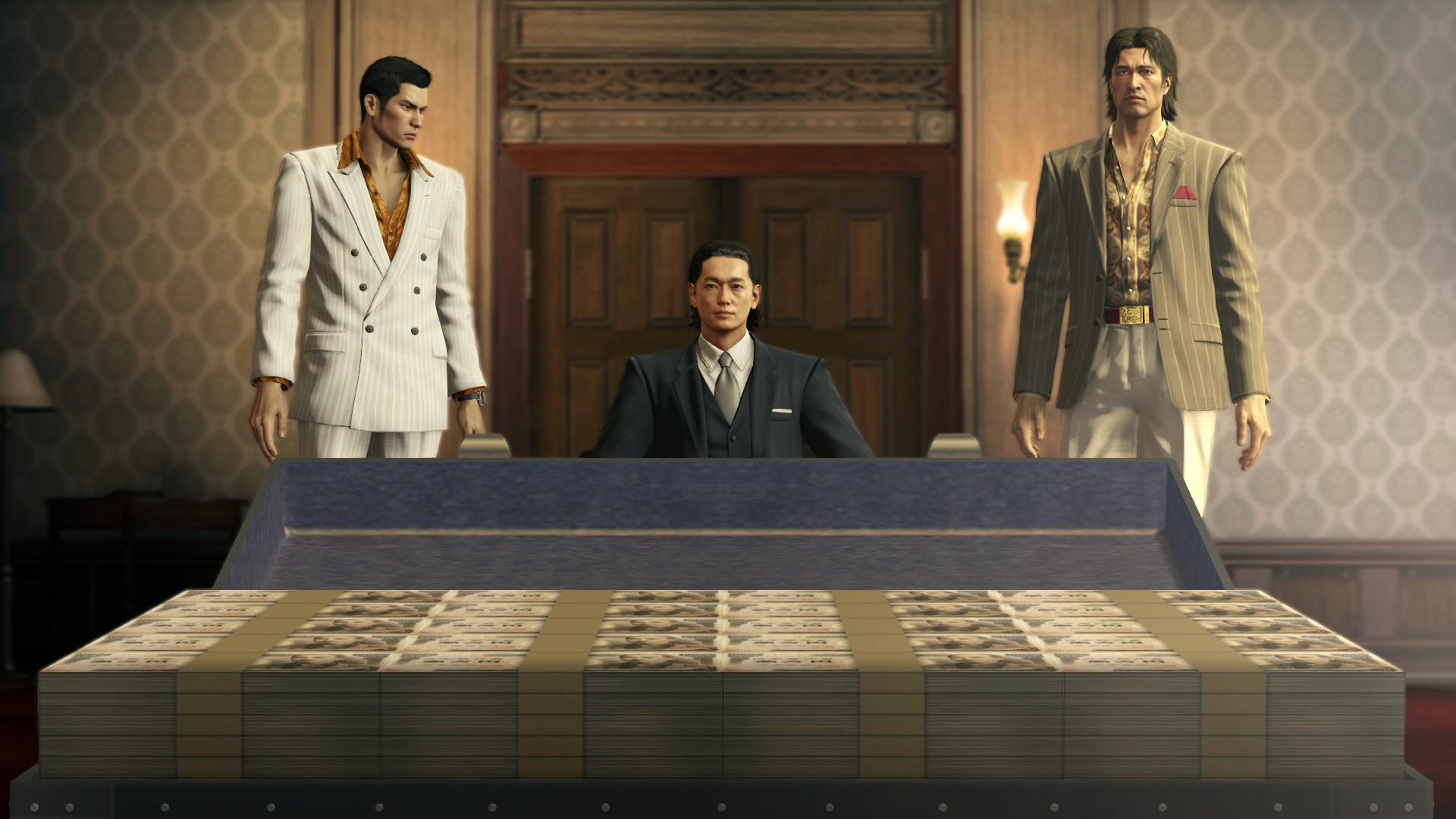
The largest antagonistic force in the game, introduced in Kiryu's half of the story, is just as fun to see in motion. These would be the three lieutenants of the Dojima Family, who are each scrambling to secure rights to the empty lot by any means necessary. We deal with these three, or the underlings of these three, throughout the entire game, and they're also so fun to see on screen. Each of these men and their families embody a different way the Dojima family exerts its power over Kamurocho. Hiroki Awano (left) excels in extortion and interrogation. He relishes in the high life of golf and booze that yakuza money can provide, and sees the yakuza as a means to maintain that life. Keiji Shibusawa (middle) is the Dojima family's shrewd business man. If there is an obstacle that money and politics can solve, Shibusawa is the one who will get it done. Daisaku Kuze (right) is the family's muscle, and while he often acts like a hot-headed thug, he has his own sense of honor. He believes that the one who wins is the one who gets back up, over and over, and keeps trying until the problem is solved. And trust me, you'll be knocking him down plenty of times.
Gameplay - A Beautiful Beat-'Em-Up
The game's combat is extremely solid, and kept me engaged from start to finish. Both of our protagonists have three fighting styles for the bulk of the adventure, all of which you're able to switch between on the fly mid-combat. Both characters have a fast and agile type, a slow and heavy-hitting type, and an all-round balanced type at their disposal. Each of these fighting styles have their uses, and the game's varied combat encounters means that you'll greatly benefit from analyzing the situation and switching to the style that best suits the situation.
The game also features the series' signature heat system. By performing well in combat, you build a resource called heat. Having high enough levels of heat can unlock certain latent passives for your character, or the heat can be spent to deliver devastating and flashy attacks in the form of heat actions.
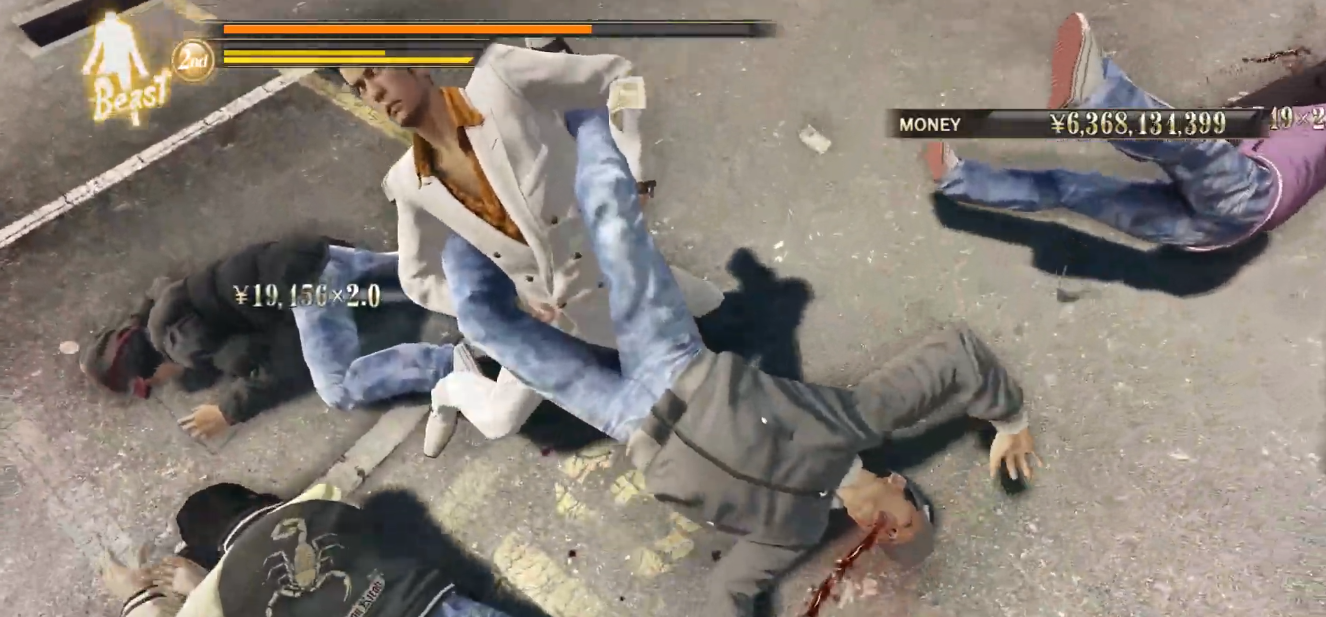
The styles that stood out to me as the most fun to use would hands down be Kiryu's Beast style and Majima's Breaker style. In Beast style, Kiryu plants his feet firmly on the ground and becomes an unshakable powerhouse. While doing your normal attack combo, Beast style Kiryu will automatically pick up any grabbable object near him to use as a makeshift weapon. This makes this style excellent for close-quarters combat with groups of enemies, where the furniture in a building or the bikes lined up on the street become Kiryu's personal weapons of mass destruction. Combine this with the style's grab-based heat actions, one that allows you to swing an enemy around you in a circle and damage all the enemies in your radius and one that allows you to throw a dude straight on top of another dude, and this is the go-to-style for clearing crowds with Kiryu.
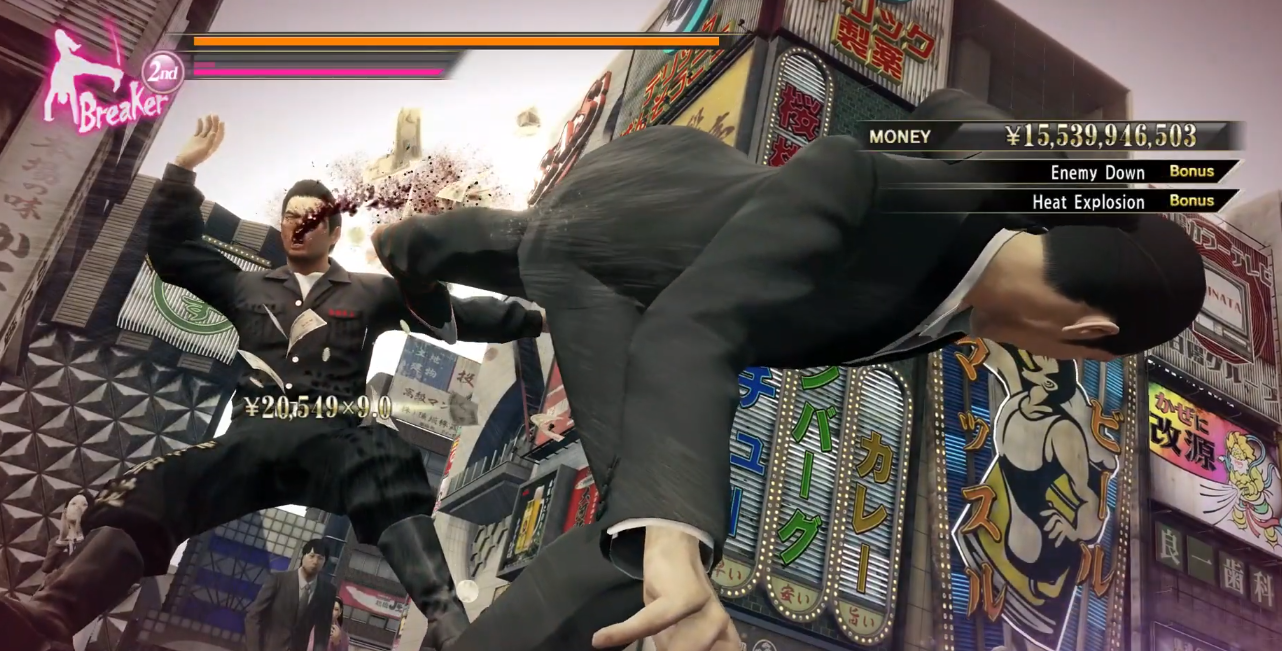
Majima's Breaker style is his speed oriented style, which takes heavy inspiration from break-dancing. The main bread-and-butter combo I used with this style was the move where Majima spins on his head for a while, damaging and knocking down enemies around him. Once the move ends, you can do another heavy attack to do a follow up where he does a stationary low-attacking combo before striking a finishing pose. This is extremely effective at clearing groups of enemies, but I also found lots of success using this style in one-on-one battles. Wrestling my opponents to the ground and then styling on them with rapid kicks was extremely fun.
You improve your combat effectiveness by spending money on your skill trees, one for each fighting style per character. Once you make enough progression in your fighting styles, there are training NPCs that you can talk to in order to unlock new abilities. Overall, I think that character progression felt quite good in this game. It never felt like I wasn't progressing at a meaningful pace, and at the end of every play session I was always able to buy a couple of upgrades that made me feel tangibly stronger. I didn't end up maxing out all of the fighting styles, I don't think I maxed out a single one now that I think about it, but I was able to feel like I had come a long way from the beginning of the game.
The game's difficulty was always fair. It was never pitifully easy to the point where I stopped paying attention, and it was never hard enough that I was driven to step away from the game. Newer games in the series have a reputation for being quite easy, and I definitely felt that with my playthrough of Like a Dragon: Ishin! earlier this year. But this one, at least in the critical path and most of the side content I did, wasn't a stomp fest by any means. The game does give you a fair amount of encounters where it expects you to stomp a horde of enemies into oblivion, but most of the bosses were more tightly designed and offered a challenge that felt appropriate for their place in the story.
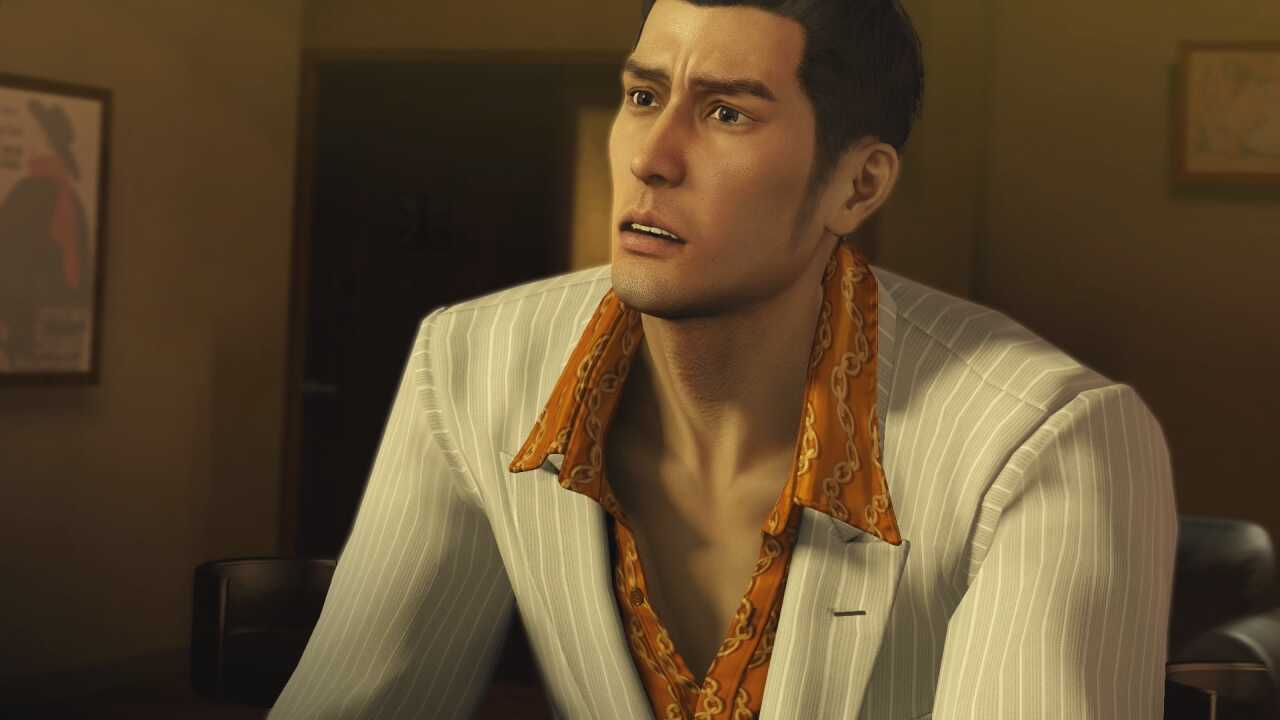
In series tradition, there are plenty of optional activities around both of the towns to do if you're not in the mood to progress the main story. This includes the disco and karaoke rhythm games, mahjong and shogi, bowling, batting cages, and even an optional job that each protagonist can do to earn some income on the side. There are also plenty, just about 100 I believe, of side-quests that provide a brief little respite between dramatic and serious story moments. You can track down a stolen video game cartridge for a little kid, help a kind and self-conscious BDSM dominatrix learn how to punish her clients, win prizes from a claw machine for a lonely little girl, or get roped into a fake date as some woman's pretend boyfriend. Each of these substories don't take long to complete, but they give our cast of characters chances to express themselves in circumstances that aren't super dire. I didn't do all of the substories, though I am aware there is a secret boss that you gain access to for doing all of them. Very rarely am I a "complete everything" kind of person, especially when it comes to postgame content. But the ones I did I had fun with, and the annoying ones were over quick enough that I wasn't lingering on them for too long before I could get back to the parts of the game I enjoyed.
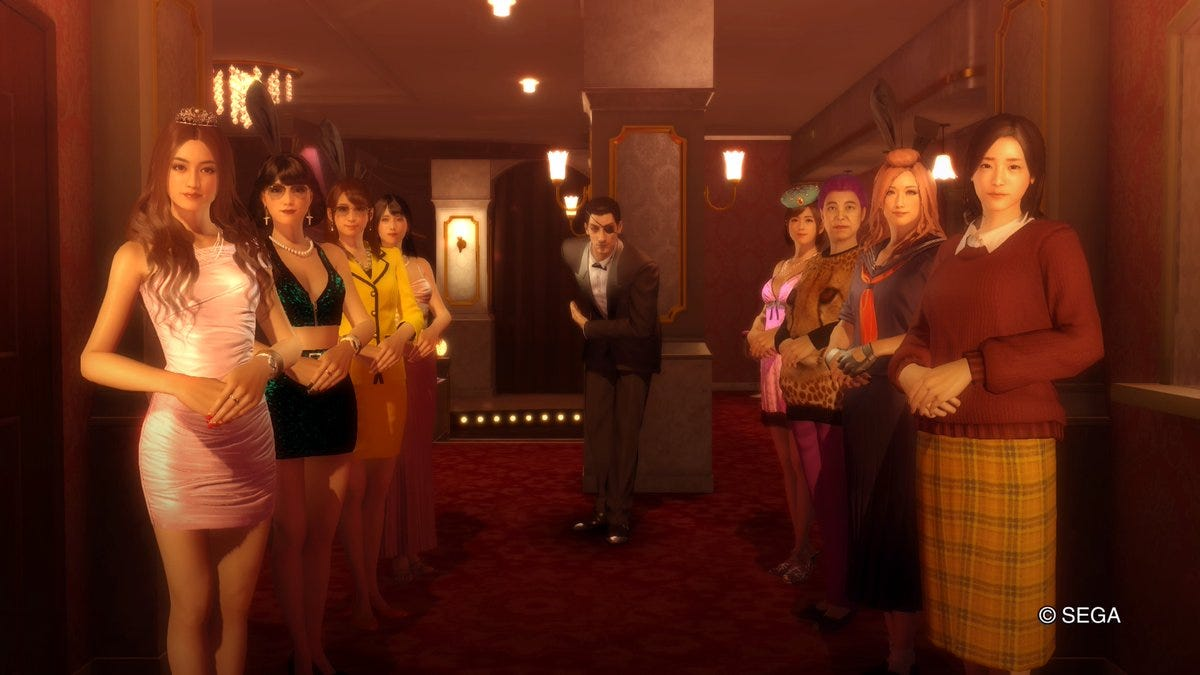
The side mode that I spent the most time in, by far, was Majima's Cabaret Club Czar minigame. In this mode, you manage a cabaret club in an arcadey, fast-paced management game. You select a roster of women to work for the night, each with different ratings in a handful of stats such as "Funny", "Beauty", and "Cuteness". Success in the minigame hinges on you being able to quickly assign the right girl to the right customer, having as many of your employees on the floor as possible to make as much money as you can. Occasionally, one of your employees may signal for help and you must interpret a hand sign they make and bring the right item to the table. Other times, a customer may become unruly and you have to deal with him in several ways. This mode is straight up addictive, and I would play a game that is entirely this. Your highest-rank hostesses are available to be given makeovers in a surprisingly detailed dress-up mode, that I spent a lot of time in just experimenting with looks. It's really fun.
I think that's the bulk of what I wanted to say, and most of what I could say without dropping any major spoilers. What's below is going to be just a handful of short thoughts about more specific story beats, so beware, spoilers below!
Spoiler Zone - Here Be Plot Details
God, the scene where Nishiki drives Kiryu out into the countryside to whack him is heartbreaking. Obviously it doesn't happen, there are at least 6 more mainline games that take place later in the timeline with Kiryu on the cover, but damn. It was moving, it was tough to watch. You really get a sense for how much Nishiki cares for Kiryu, and how much Kiryu respects Nishiki for attempting what he's about to do.
Lee's death, oh my god that took me by genuine surprise. It happens so out of nowhere, and it made my stomach just sink. You can tell, for a split second right before it happens, that something is going to go wrong, there's no way the plan works, and then boom right as Lee starts the car. Sagawa showing up, guilting Majima right after. God, this is the scene that cemented my hate for Sagawa and my love for his actor's performance. "Why did you have to make me do that?" or whatever he said, it's so cold and indifferent, but I do think that he genuinely didn't want to have to punish Majima for not going through with the hit.
I really like Kuze. You fight him what, four times? And by the time you fight him for the last time in the final chapter, he just gives in. He's lost, you've won. Kiryu's obviously the stronger guy and he's not going to get up a fourth time. The encounter in the sewer, though, I think your second fight with him? Oh my god that was such a cool set-piece. The motorcycle headlight coming on, Kuze rushing at Kiryu with a lead pipe, and Kiryu just standing there and taking the hit? What an awesome moment for both characters. You get a really cool monologue from Kuze as a lead-up into the fight where he explains his philosophy and code of honor, with a slow buildup in the music, it's just so damn cool.
I think the only thing that left a definitive sour taste in my mouth was how they handled the plot twist with Oda. He reveals that he's the one that originally kidnapped the real Makoto, the event that led to her blindness. He attempts to kill her and Kiryu when this information comes to light, but in the last moment he gives his life to let them escape an oncoming horde of enemies. I guess that is his atonement, but in the end, Kiryu mentions Oda as an unfortunate victim of Shibusawa's schemes but like... Should he be included in the same breath as Lee and Tachibana? I don't think so, I dunno, it felt a little weird. Like I said, I guess he had his redeeming moment, but also should his crime be so easily forgiven? I don't know.